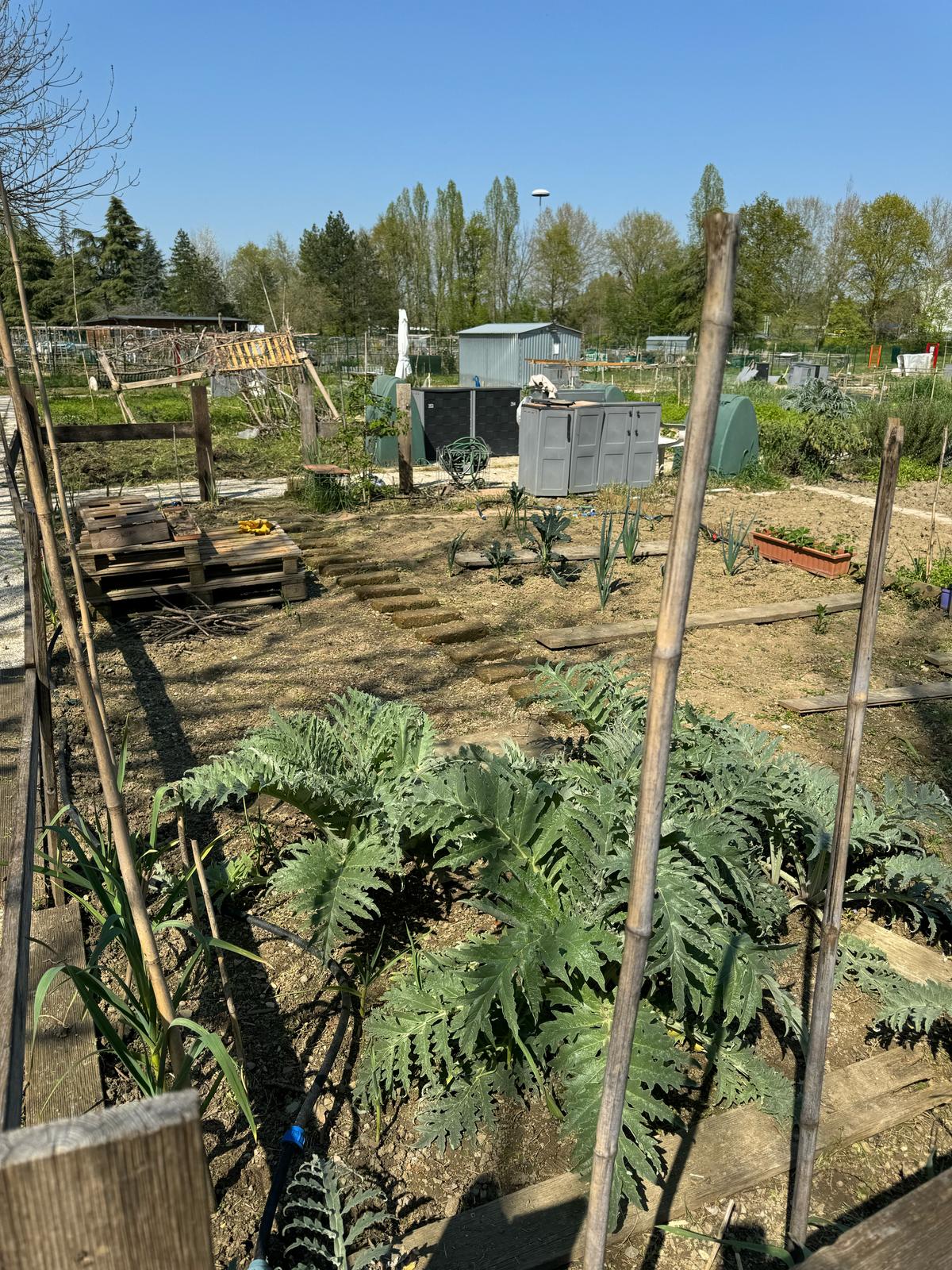
Urban orchards in Bologna
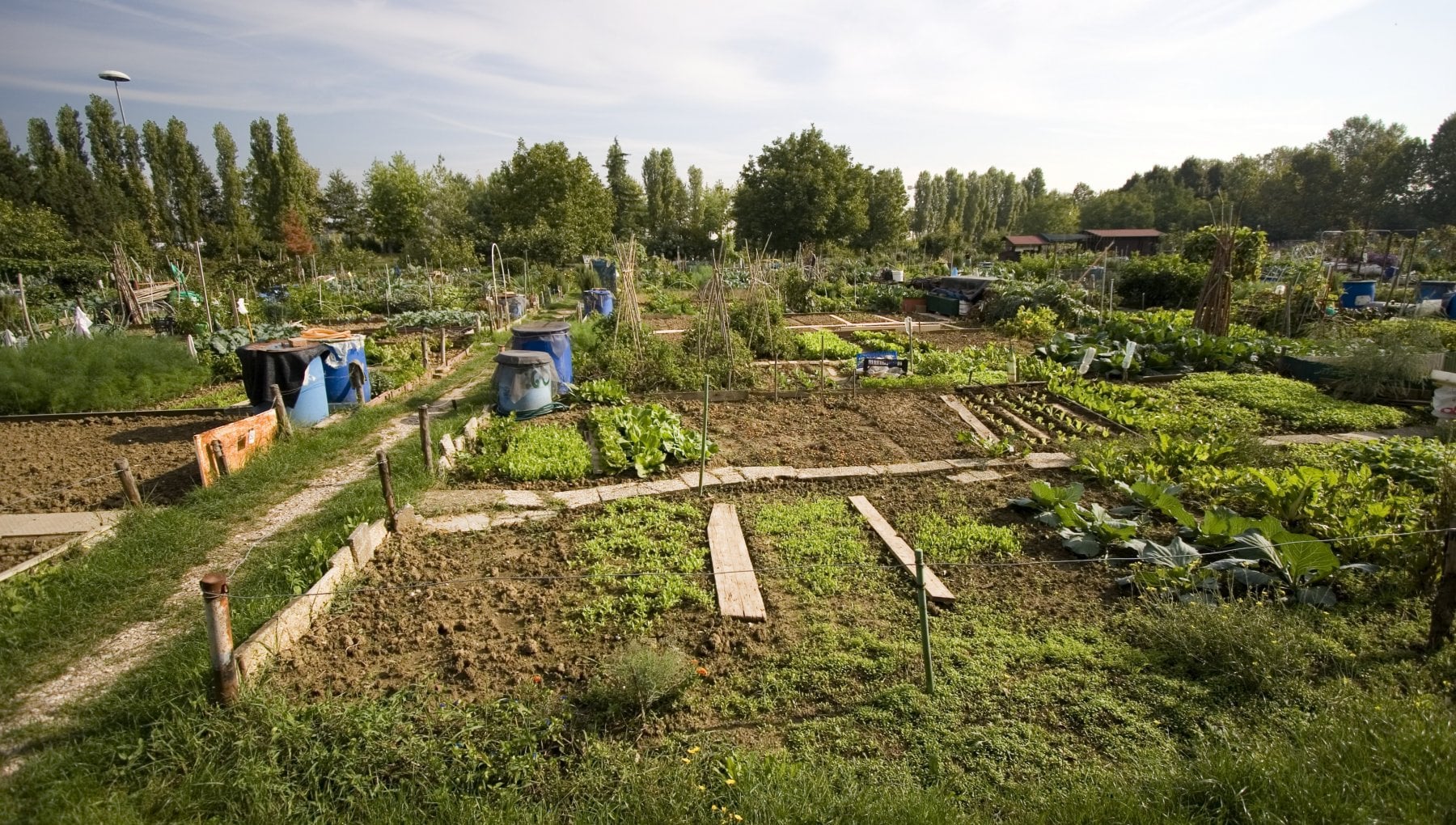
Bologna has been a pioneer in urban agriculture and horticulture in Italy, with numerous initiatives which always represented a fundamental element of the urban landscape. The origin of allotment gardens in Bologna dates back to the Second World War when the municipality provided urban areas for families to grow food. These gardens expanded during the Seventies and Eighties as part of policies aimed at supporting elderly people. Thanks to an initiative launched by the city’s administration in the 1980s, when massive public projects endowed Bologna with a deep network of services and public facilities, urban orchards have been evolving from wartime necessities to contemporary sustainability initiatives.
Urban horticulture in Bologna has significantly regenerated urban spaces and infrastructures affected by abandonment and degradation. Various projects have requalified vacant areas in the city center and suburbs, ranging from small flowerbeds to large plots in abandoned industrial neighborhoods. These initiatives have enhanced the city's social and physical landscape, with both top-down and bottom-up approaches contributing uniquely to this transformation.
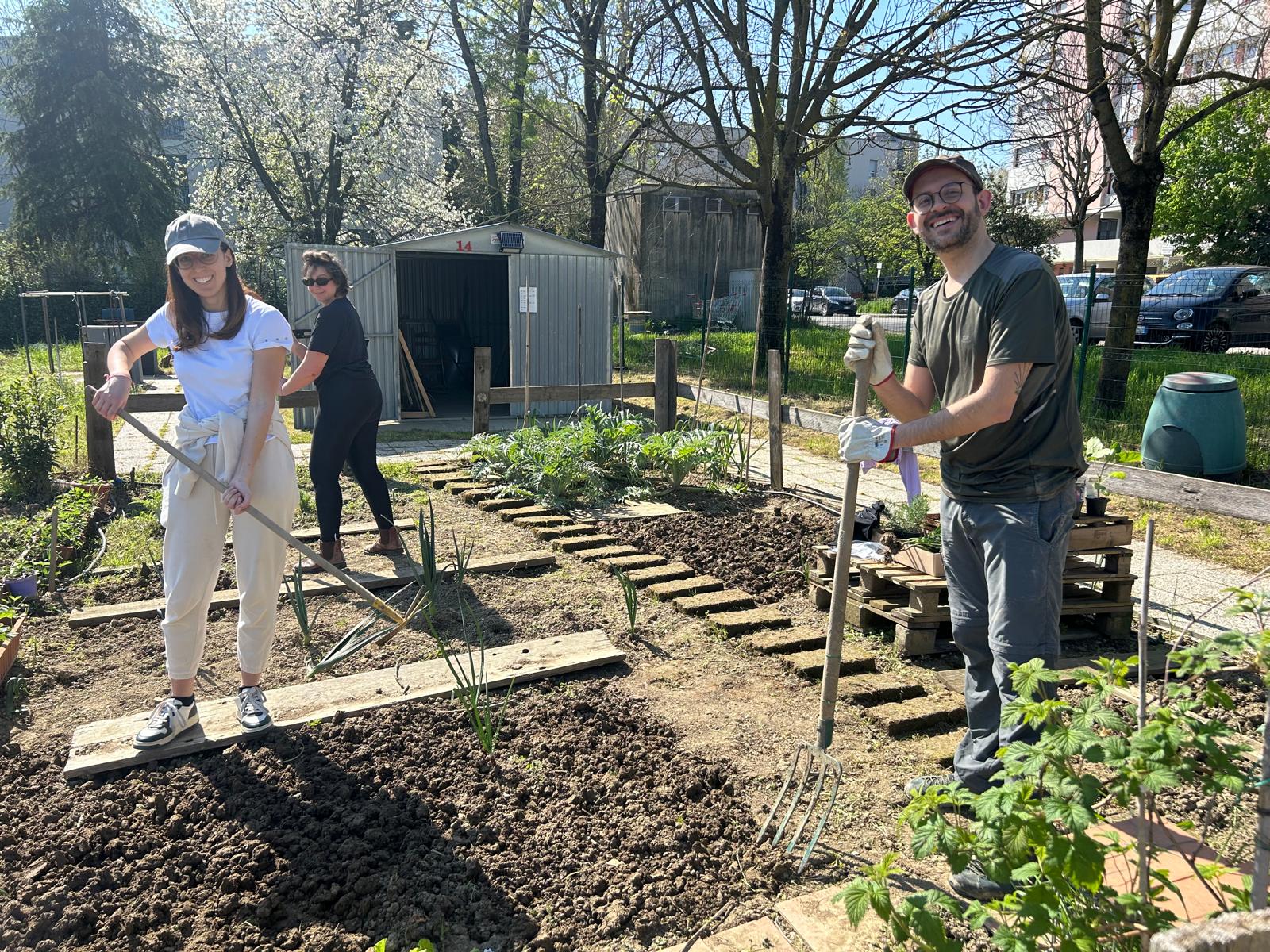
All residents can apply to have an allotment: earlier policies exclusively allocated allotment gardens to the elderly. However, current inclusive policies encourage intergenerational knowledge exchange and lively debates on innovative cultivation and management practices. Thanks to the current regulations and the increasing number of allotment holders from other geographical areas, the community of Bologna gardeners today appears much more diverse and dynamic compared to the past.
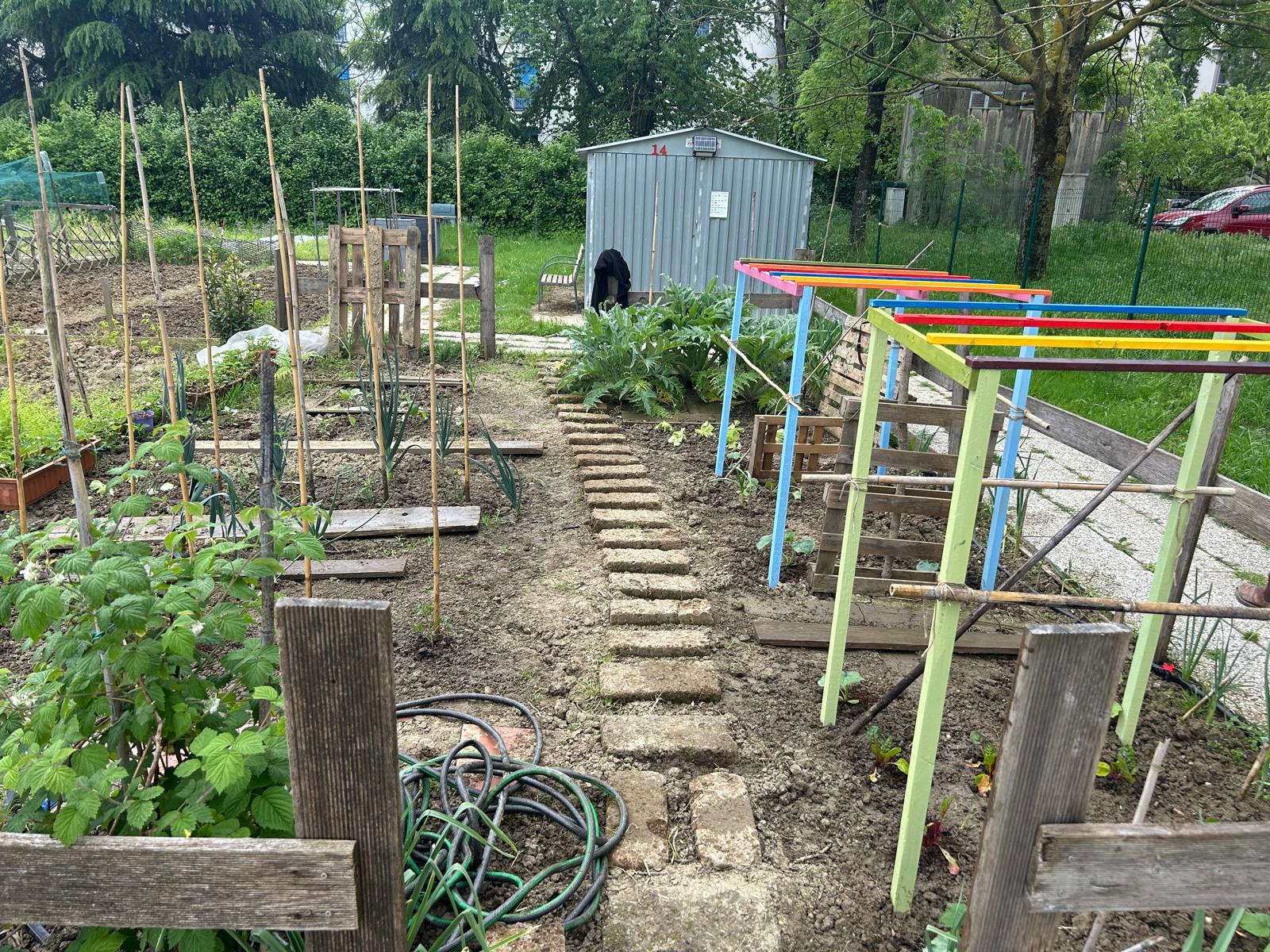
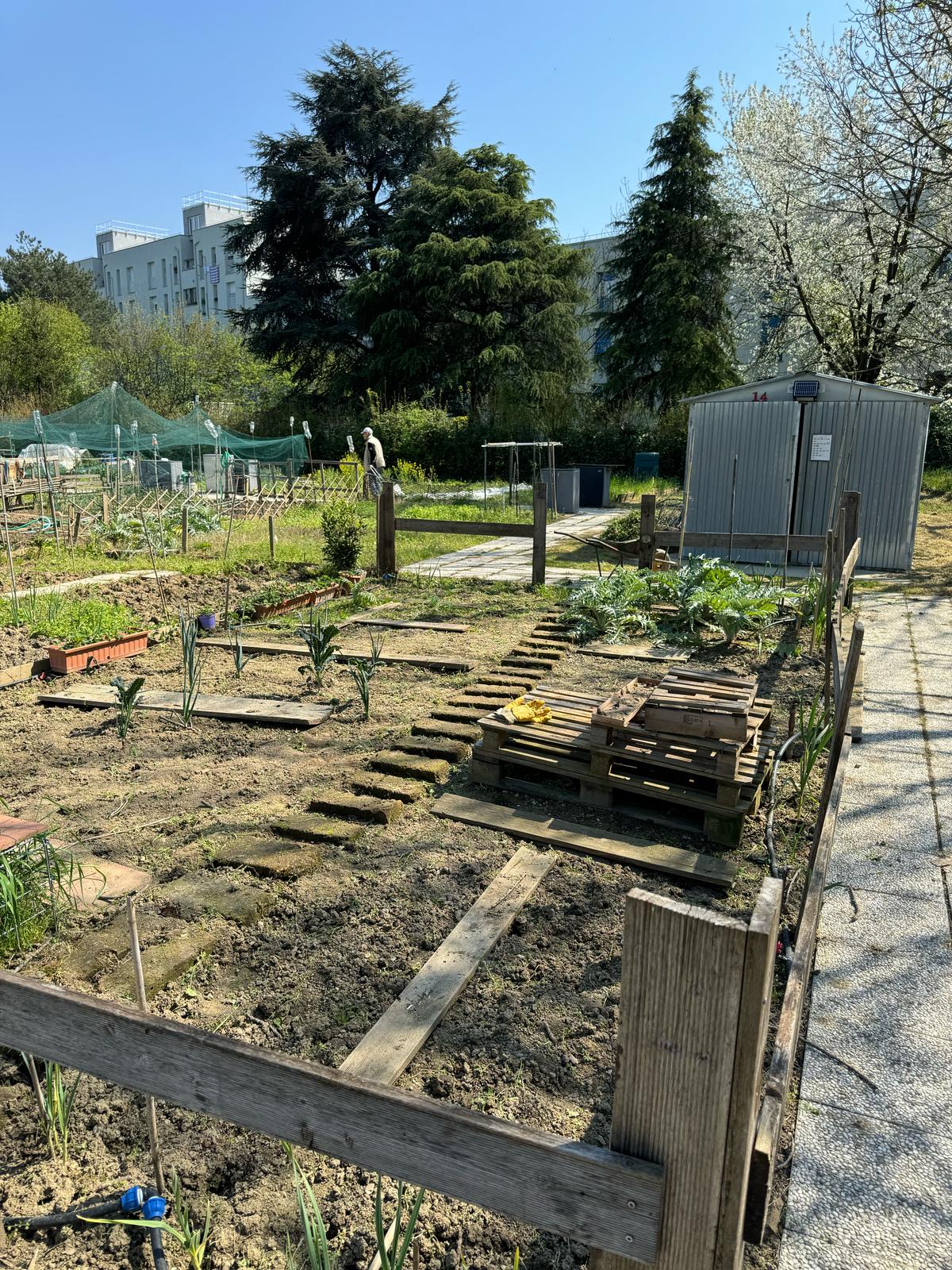
Today, Bologna boasts over 2700 urban gardens accessible to citizens of all ages, with an online service available for applications. Associations and cooperatives usually manage these areas, providing the necessary skills and organization for their functioning. These initiatives include both municipality-supported and grassroots efforts, such as allotment gardens and food coops.
The municipality of Bologna plays a crucial role in these projects. Top-down initiatives led by the local government benefit from support, funding, and professional involvement in the initial stages. Conversely, bottom-up initiatives foster strong community bonds, good self-organization, and high participation. These grassroots projects transform vacant areas into meeting points that enhance social inclusion, cooperation, and solidarity. They effectively address issues like food security and create opportunities for civic engagement environmental awareness.
Some allotment gardens and urban orchards are included in areas considered part of the city's heritage, such as the Navile canal and some public gardens. The potential for the heritageization of these urban orchards lies in their integration with natural-historical sites, fostering a connection between contemporary community activities and the city's historical and cultural landscape. These gardens have become part of Bologna's history, tracing back to the enclosed gardens (horti conclusi) that have deep roots in the city’s past. They enhance community building and reactivate relationships, cooperation, and solidarity, especially in fragile and marginalized peripheries.